Construction is one of the most dangerous and costly industries when it comes to workplace injuries, with safety violations leading to steep OSHA penalties, expensive compensation claims, and long-term financial consequences. Beyond fines and accidents, violations can damage morale, raise insurance rates, delay projects, and result in lost contracts, making safety investments both a financial and ethical imperative.
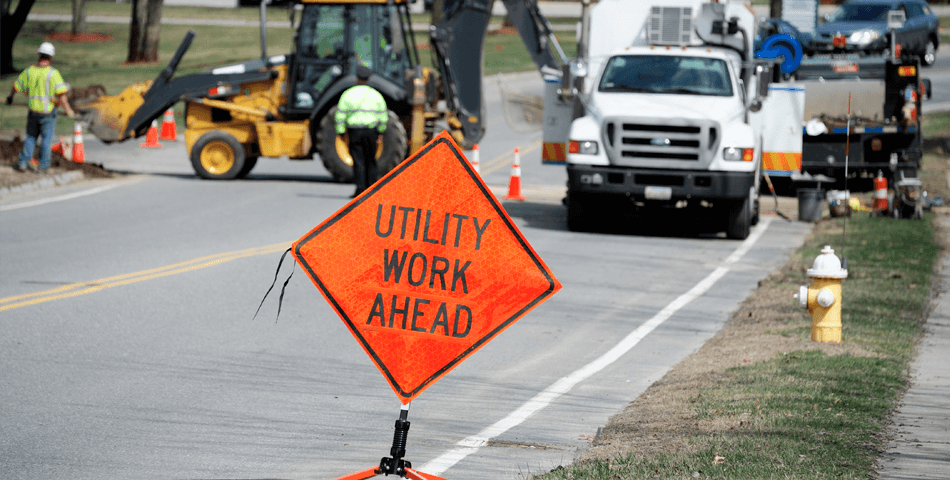
Construction work consistently ranks high on the list of most dangerous occupations. This is no surprise to anyone who has ever stepped onto a construction site. Construction sites, by their very nature, present an element of risk, and hazards are amplified whenever heavy equipment is present.
According to the 2025 Travelers Injury Impact Report, injuries in construction are also the costliest. According to the report, “Construction workers compensation claims were the most expensive—almost double the all-industries average.”
Here we break down the costs behind safety violations in construction to see why they are so high.
When it comes to the costs of a safety violation, the most obvious and expensive can be the fines, penalties, and compensation claims associated with the safety violation and any associated accidents.
To help ensure safe and healthy working conditions, the Occupational Safety and Health Administration (OSHA) was established in the United States in the 1970s. Written with the best interests of workers—and employers—in mind, OSHA regulations are thorough, and infractions carry severe consequences. Employers may be reprimanded and fined for violations ranging from failure to submit paperwork to a workplace fatality.
Here is a listing of OSHA violation classifications and penalties:
Other-Than-Serious: A violation that has a direct relationship to safety and health but would likely not cause death or serious physical harm, leading to a fine of $16,550 per violation.
Serious: A violation in which there is a substantial probability that it could result in death or serious physical harm, and that the employer should have known of the hazard, leads to a penalty of $16,550 per violation.
Failure to Abate: A violation that occurs when a previous citation has not been corrected and the abatement date has passed—or when interim measures involved in a long-term abatement have not been completed within the timeframe given. The penalty is $16,550 per day beyond the abatement date.
Willful: A violation committed with an intentional disregard of the requirements of OSHA regulations. This carries a fine of $165,514 per violation.
Repeated: A violation of any standard, regulation, rule, or order where, upon reinspection, a substantially similar violation is found. Citations may be used from multiple sites to issue a repeat violation. The penalty is a fine of $165,514 per violation.
If a safety violation leads to an accident, then additional costs will follow. These include the costs of damaged equipment, materials, or other structures. They also include the costs of any settlements following an injury or fatality, which can be very high. According to one study on the Costs of Occupational Injuries in Construction in the United States, “The average construction fatality was estimated to cost $4 million.”
Injuries are also very costly. That same study noted that “Nonfatal days-away injuries in construction were more costly than average [injuries in other industries], at $42,000 per case compared to $37,000, in all private industry.”
Of course, these fines and settlements—while significant—are not the only costs that can come with construction safety violations.
Safety incidents cost much more than just the money that comes with construction fines and settlement agreements. They can also impact other areas such as worker turnover, insurance rates, project overrun penalties, and lost contracts.
A safety incident can severely impact the morale and mental health of other employees. This, in turn, continues to affect safety and increases turnover and the likelihood of another incident occurring.
This leads to additional costs. According to the Work Institute, “Each employee departure costs about one-third of that worker’s annual earnings, including expenses such as recruiter fees, temporary replacement workers, and lost productivity.”
Another study found that following a workplace fatality, 26.8% of exposed workers showed signs of PTSD one month after the incident, including a “depressed mood” and “decreased interest in work and other activities.” Other studies have demonstrated that this kind of mental distress increases the risk of injury by more than twofold and decreases workers’ attitudes toward safety—making it more likely that they’ll engage in unsafe behaviors.
Without proper intervention and prevention, one construction safety incident can have lasting negative effects on workers, production, and the likelihood of a future incident occurring, creating a vicious cycle that can be difficult to break.
Workers’ compensation insurance is a big expense for contractors. Seeing these monthly payments rise makes a difference to a company’s bottom line. A single injury claim can result in a substantial rate hike, meaning that the impact of that injury can ripple out for years after the initial incident.
Recouping losses incurred from a safety incident with additional contracts isn’t easy for the average construction company. It’s important to note here that for many, business won’t be fully back to normal following a construction violation. Following a safety incident, there may be rework or project overrun costs.
In addition, many construction companies also submit regular bids for federal and state-funded jobs. For those with clean safety records, this can be an ongoing source of work. Conversely, those with a history of violations are generally excluded from these bids, forfeiting hundreds of thousands, sometimes millions, of dollars. For a company that relies on this work, seeing this source of income dry up while weathering the additional costs of a safety incident can be quite the financial blow.
Contractors may be reluctant to fully invest in safety for any number of reasons. Some may have limited funds to allocate, while others may be unwilling to pull productive employees from a job. Regardless, it’s safe to assume that such companies simply fail to recognize the quantifiable benefits of health and safety to both the worker and the company.
Like any investment, safety costs money. In the long run, however, it can have a sustained and measurable ROI. Safety saves lives, reduces injuries, and increases profit.
In the paper Relationship Between Construction Safety and Quality Performance, published in the Journal of Construction Engineering Management, the authors suggest a strong correlation between worksite safety and job quality. Equally, the paper also found that unsafe work habits contribute to errors, rework, missed schedules, and cost overrun.
In fact, according to the International Social Security Association (ISSA), “every 1 EUR (or any other currency) per employee per year invested by companies in workplace prevention, companies can expect a potential economic return of 2.20 EUR (or any other currency).”
For the construction companies that do invest in their safety today, the results are clear: Those companies will feel the benefits of that investment tomorrow.
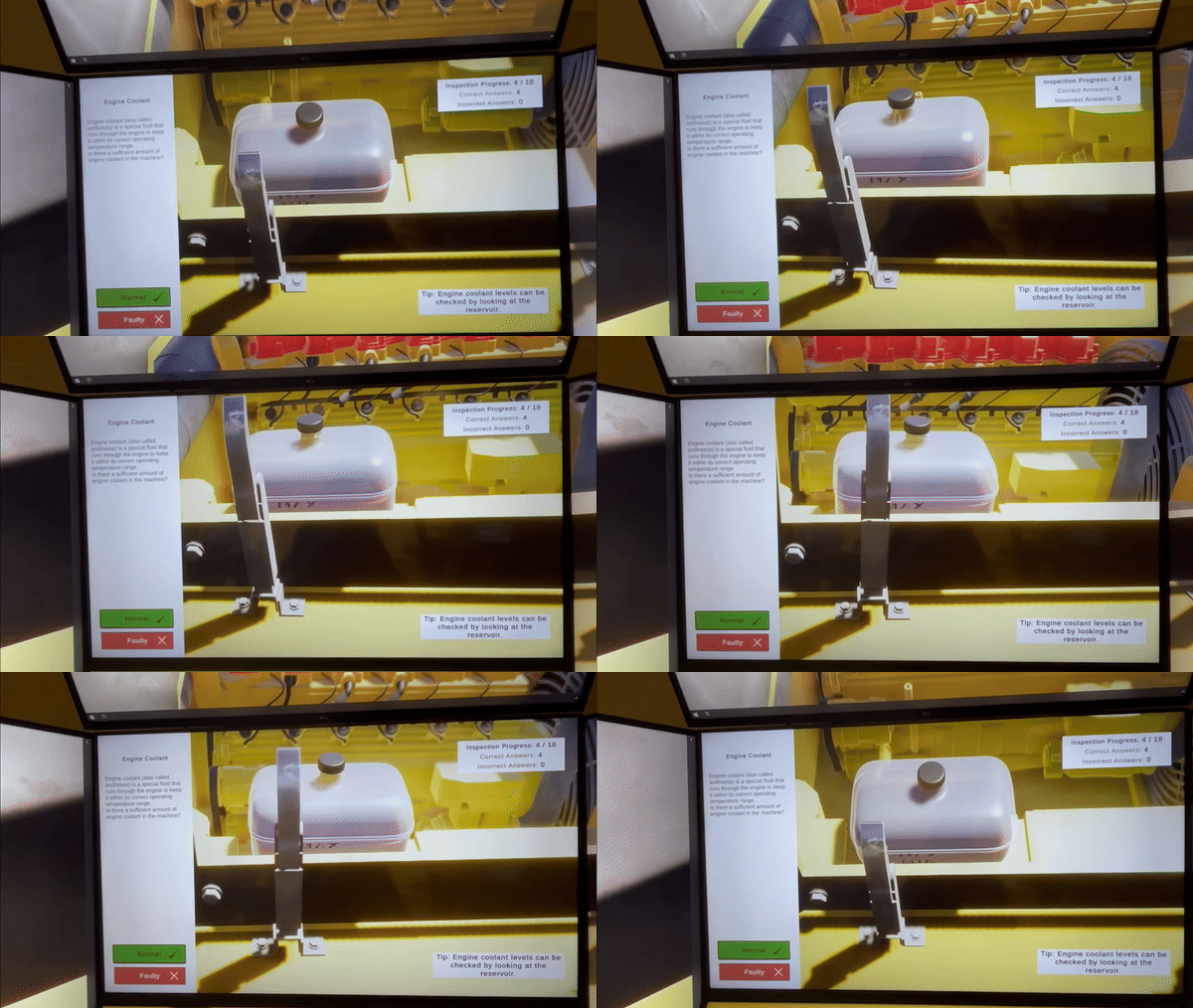
Want to learn about the financial benefits of adding a simulation component to your safety training program? Check out our ebook, Measuring the ROI in Simulation-Based Training.